
Year-Round Vegetable Seeds for Your Garden
Growing your own garden is a rewarding experience. It connects you with nature and fills your kitchen with fresh, homegrown produce. But what if you want to enjoy fresh vegetables all year long? The secret lies in choosing the right seeds and planning your garden carefully. With the right approach, you can harvest fresh vegetables in every season.
How to Grow Year-Round Vegetable Seeds Successfully
To keep your garden productive throughout the year, you need to select vegetable varieties that thrive in different seasons. Some vegetables prefer cool weather, while others love the heat. By rotating crops and planting at the right time, you can enjoy a continuous supply.
Start by dividing your garden calendar into three main growing seasons:
Spring and early summer: Plant cool-season crops like lettuce, spinach, and radishes.
Summer: Choose heat-loving vegetables such as tomatoes, peppers, and beans.
Fall and winter: Opt for hardy vegetables like kale, carrots, and Brussels sprouts.
Using this approach, you can stagger your planting and harvesting times. This keeps your garden busy and your kitchen stocked.
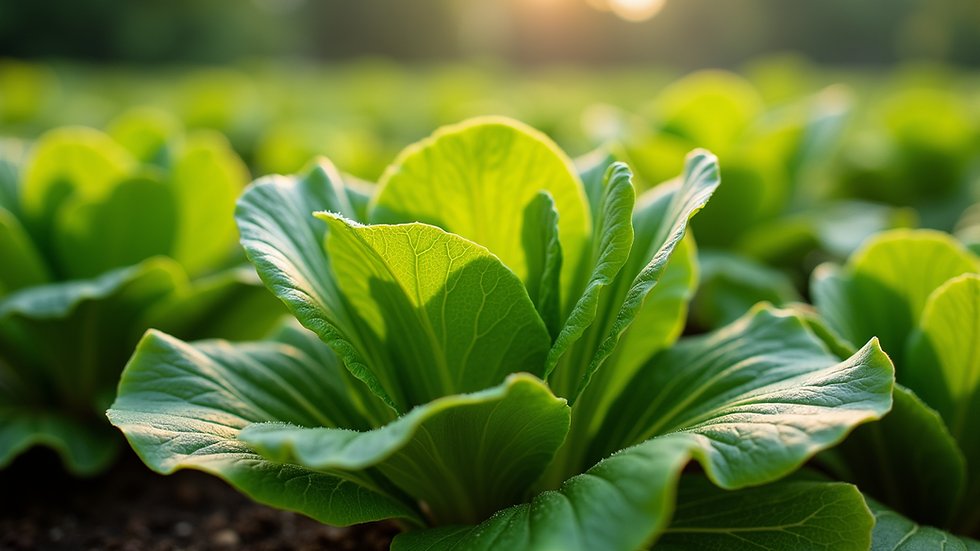
Choosing the Best Year-Round Vegetable Seeds
Selecting the right seeds is crucial. You want seeds that germinate well and produce healthy plants. Look for seeds labeled for your climate zone and season. For example, some varieties are perfect for summer, while others can handle cooler temperatures.
When buying year-round vegetable seeds, consider these tips:
Buy from trusted sources that offer high-quality, non-GMO seeds.
Choose seeds that are hand-picked and air-dried for better germination.
Look for rare or heirloom varieties to add unique flavors and colors to your garden.
One great resource for quality vegetable seeds is Vomov Plants. They offer a wide variety of seeds with excellent germination rates, perfect for year-round gardening.
Planning Your Garden for Continuous Harvest
Planning is key to a successful year-round garden. Start by mapping out your garden space and deciding which vegetables to plant where. Consider companion planting to maximize space and improve plant health.
Here’s a simple plan to get you started:
Spring: Plant leafy greens and root vegetables in raised beds or containers.
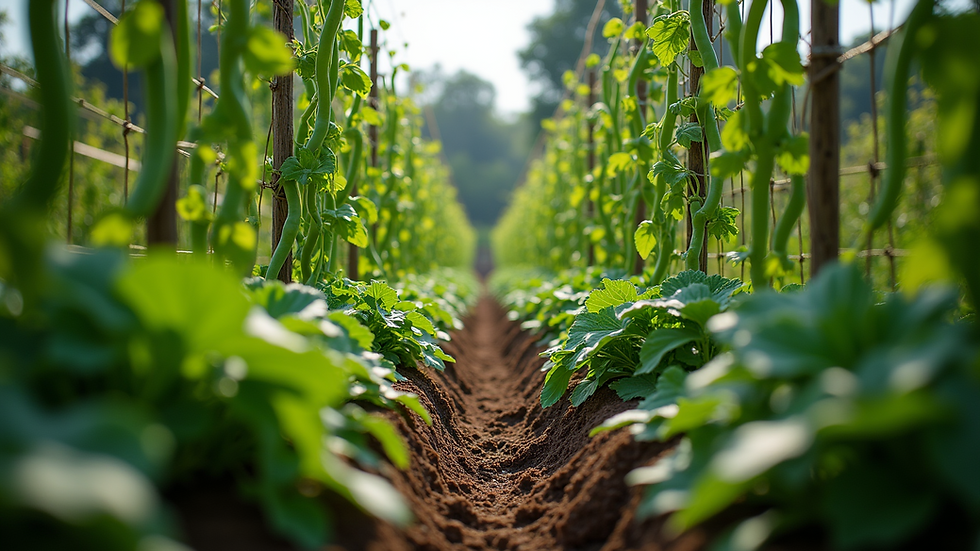
Summer: Use trellises for climbing plants like beans and cucumbers.
Fall: Sow hardy greens and brassicas in protected areas or cold frames.
Winter: Use cold frames or greenhouses to extend the growing season for some crops.
Rotate crops each season to prevent soil depletion and reduce pests. Keep a garden journal to track what works best in your space.
Tips for Maintaining Your Garden Through the Seasons
Maintaining a year-round garden requires attention and care. Here are some practical tips to keep your plants healthy:
Water consistently: Adjust watering based on the season and weather. Early morning watering helps reduce evaporation.
Mulch your beds: Mulching conserves moisture, suppresses weeds, and protects roots from temperature swings.
Fertilize wisely: Use organic compost or natural fertilizers to nourish your plants without chemicals.
Watch for pests: Inspect plants regularly and use natural pest control methods like neem oil or companion planting.
Harvest regularly: Picking vegetables promptly encourages more growth and prevents overripening.
By following these steps, you’ll create a thriving garden that produces fresh vegetables all year.
Bringing It All Together: Your Year-Round Garden Journey
Growing a garden that produces fresh vegetables year-round is a fulfilling journey. It takes planning, patience, and a bit of experimentation. But the rewards are worth it. You’ll enjoy fresh, flavorful produce, reduce your grocery bills, and connect with nature in a meaningful way.
Remember, start small and expand as you gain confidence. Use quality vegetable seeds and adapt your garden to your local climate. Keep learning and adjusting your methods. Soon, you’ll have a garden that feeds you through every season.
Happy gardening!


Comments