
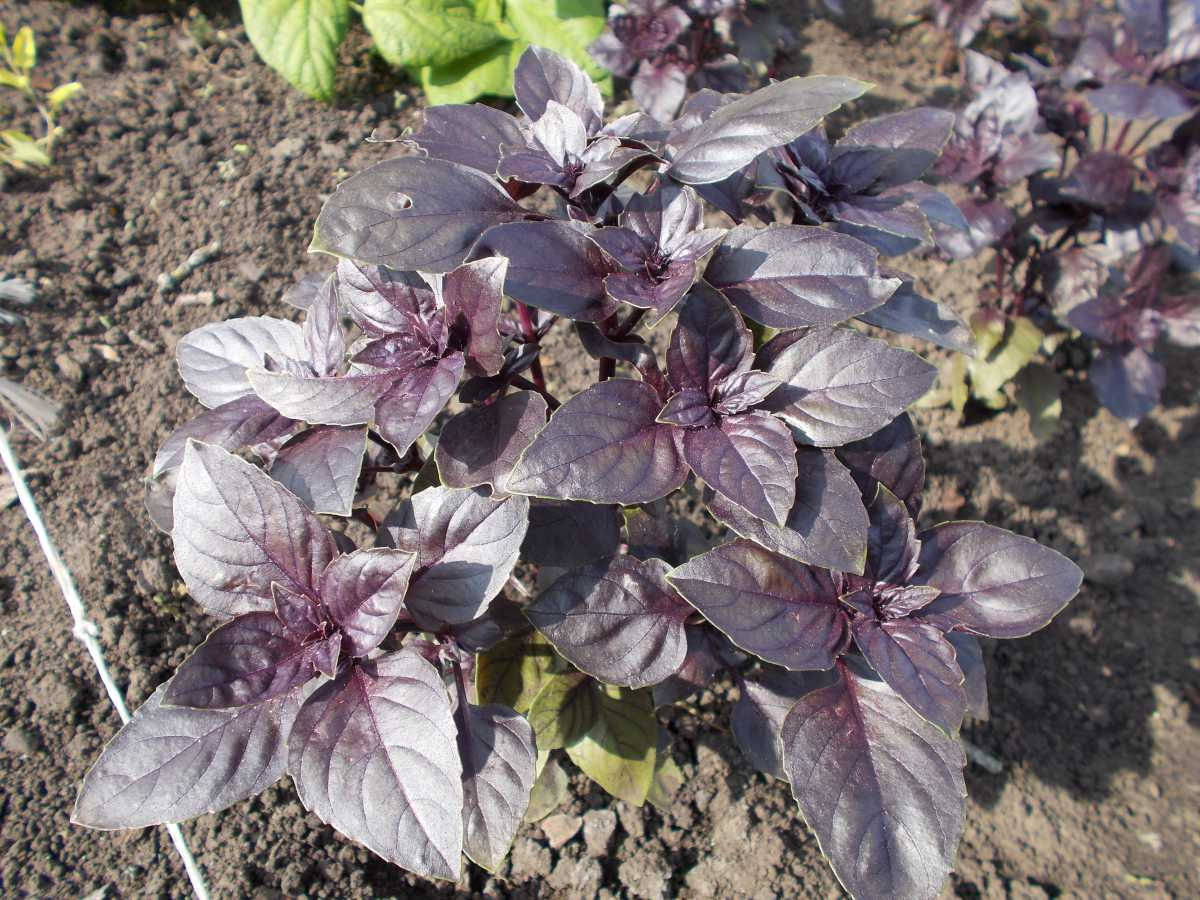

Basil (seeds) Black Central Asia Rayhon Reyhan Fragrant Dark Purple Heirloom
Basil (seeds) Black Central Asia Rayhon Reyhan Fragrant Dark Purple Heirloom Herb Non-GMO Easy Grow Culinary Spice Garden Plant Gift Grower
Discover the stunning and fragrant Central Asian Black Basil, also known as Rayhon, Reyhan grass, Reagan grass, or Rigan grass. This beautiful dark purple-black heirloom variety produces intensely aromatic leaves with a bold, complex flavor that is more intense than traditional basil varieties. Perfect for culinary use, ornamental gardens, and fresh eating.
Central Asian basil varieties are known for their more intense taste compared to traditional varieties. Black Rayhon basil has a distinctive deep purple-black color and a rich, spicy-sweet aroma that makes it a prized addition to any herb garden.
Our seeds are non-GMO, ensuring a healthy and sustainable harvest. Central Asian Black Basil is easy to grow, thrives in warm conditions, and produces abundantly throughout the growing season.
Black Basil seeds, Central Asia Rayhon, Reyhan grass, Reagan grass, Rigan grass, Ocimum basilicum, dark purple basil, heirloom variety, non-GMO, easy to grow, container gardening, culinary herb, ornamental plant, aromatic spice.
1/4 tablespoon, approximately 75+ seeds.
Start seeds indoors: Start basil seeds indoors 6-8 weeks before the last frost date. Sow seeds about 1/4 inch deep in a seed-starting tray or pots filled with moist seed-starting mix.
Keep the soil moist: Water seeds regularly to keep the soil moist but not waterlogged. Basil seeds typically germinate in 5-10 days.
Provide ample light: Basil seedlings need plenty of light. Place them in a sunny window or under grow lights for at least 12-16 hours per day.
Transplant outdoors: Once seedlings have 2-3 sets of true leaves and the danger of frost has passed, transplant them outdoors. Space plants about 12-18 inches apart.
Harvest: Begin harvesting basil leaves once the plant is about 6-8 inches tall. Pinch off leaves from the top to encourage bushier growth. Regular harvesting encourages continued production.


+Black+Central+Asia+Rayhon+Reyhan+Fragrant+Dark+Purple+Heirloom)