Tradescantia Nanouk Lilac Pink Live Rooted Wandering Dude Plant Silver Inch
Tradescantia Nanouk Lilac Pink Plant, Live Rooted Wandering Dude Plant, Vibrant Ornamental Foliage Silver Inch Plant, Great Outdoors and Indoors
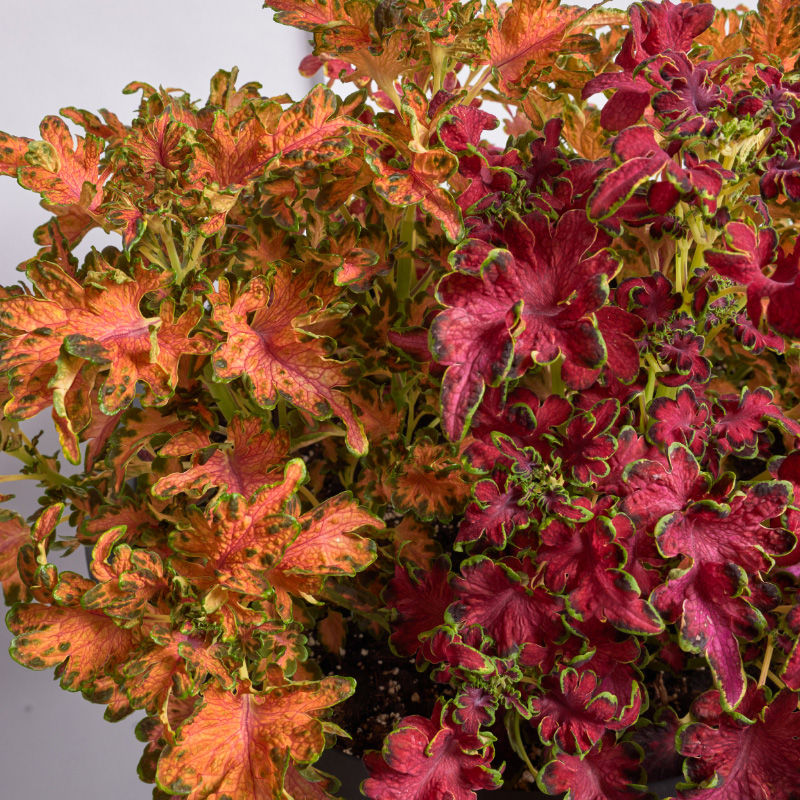
Explore the beauty of the Tradescantia Nanouk Lilac Pink, also known as the variegated Zebra Plant or Wandering Dude. This live, rooted plant boasts vibrant ornamental foliage, creating a stunning Tradescantia Nanouk Lilac Pink that thrives both indoors and outdoors. Enhance your space with the captivating charm of this easy-to-care-for botanical wonder. A perfect addition for plant enthusiasts and beginners alike, the Tradescantia Nanouk Lilac Pink brings a touch of nature's elegance to any environment. Elevate your greenery game with this lively Tradescantia Nanouk Lilac Pink – a striking choice for your garden or indoor oasis.
The 12-14" plant is shipped in 4" nursery pot.
Commonly called zebra plant, inch plant, silver inch plant or more recently, wandering dude, Tradescantia Nanouk Lilac Pink features variegated striped pinkish-green leaves. Tradescantia Nanouk Lilac Pink is tough and will thrive in almost any condition indoors. Inchplant, spiderwort, dayflower, wandering dude, flor de Santa Lucía, Saint Lucy's flower, inch plant, silver inch plant.
❗ PLEASE READ BEFORE PLACING THE ORDER❗ By purchasing this listing item you should be aware that: 🌱 this is a young plant. Please review the listing photos and description to see what size of the plant to expect. 🌱 because you're purchasing online, the colors shown on the listing photos may be presented differently on different devices. 🌱 we prep and harden our plants to do well during the shipment, even before making them available in our shop. In cold months, we gradually introduce them to cooler temperatures to build their resistance to potential short exposure to cold during transit. In warm months, we keep them outside in the open air, so they are acclimated to the current temperature. Because they are in the open air, some imperfections may occur, like a slight tear on a leaf from a raindrop. 🌱 we pack out plants very carefully. We have been shipping the live plants for a while, and always make sure we do everything possible on our side to protect a plant and maintain its health during transit using packaging tested for years. We give so much love to our plants and do care greatly about their well-being after they leave us. 🌱 because you're purchasing a live plant, which is considered perishable by a mail carrier and is not covered by their guarantee, it's important to keep an eye on your package tracking, making sure that the package isn't delayed or stays in one location for more than 1 day. We properly label our packages to let a mail carrier know that there're live plants/perishable items inside, and they usually do a great job at handling our packages with urgency. But things may happen, so once we ship your order, please sign up for text/email notifications with a mail carrier using your tracking number. Please reach out to a mail carrier and us if you feel your package is stuck in transit. 🌱 because a plant shipped by mail, it will be stressed. Unfortunately, there's no way around it. It may wilt, it may drop a few leaves, it may bend its stem or it may come in pristine condition. Regardless, it will require your attention in the first few days. 🌱 once the package is shipped, it’s outside of our control. While a mail carrier does an excellent job almost every time, there may be rare occasions of improper handling during transit which may result in a plant arriving damaged, like a broken stem, or exposed to extreme temperature. While we take all measures to anticipate these situations by prepping and packaging our plants to withstand these situations, we can’t control these risks on our side. In 99% of these cases, a plant is easily fixable. Yes, it will take longer to recover and may not look as pretty as it could. But once it's settled, it'll be very easy to maintain to its full potential. You are always welcome to reach out if you need any further consultation on recovering a plant. 🌱 we keep our operation sustainable. We don't use chemicals or hard pesticides on our plants to make sure they stay safe for your household and garden. We don't use hormones, so you can be sure that when a plant joins your collection it doesn't require anything else outside of minimally expected care. 💚 We love our plants and want to share the joy of growing them with you. 💚
The scientific name of the genus chosen by Carl Linnaeus honors the English naturalists and explorers John Tradescant the Elder (c. 1570s – 1638) and John Tradescant the Younger (1608–1662), who introduced many new plants to English gardens. Tradescant the Younger mounted three expeditions to the new colony of Virginia.[13] From there the type species, Tradescantia virginiana, was brought to England in 1629. Use a well-draining potting mix for Tradescantia. Give Tradescantia plenty of indirect light to keep its stripes. Don’t allow Tradescantia to get too dry between waterings. Let Tradescantia shine in a hanging basket. Pinch Tradescantia back leggy stems to encourage new, fuller growth.